

Chery’s Exeed brand plans to launch the Liefeng shooting brake in 2026 with solid-state battery technology offering 1,500 km range at minus 30 degrees Celsius, featuring 600 Wh/kg energy density and oxide-based electrolyte chemistry.
Chinese automaker Chery has announced plans to introduce solid-state battery technology in its Liefeng shooting brake model during 2026, claiming the vehicle will achieve a driving range of 1,500 kilometers in temperatures as low as minus 30 degrees Celsius, according to CarNewsChina.
The Exeed brand vehicle will utilize Chery’s Rhino S solid-state battery, which features an energy density of 600 watt-hours per kilogram. The company has selected an oxide-based electrolyte for its battery chemistry, one of three primary development approaches alongside polymer and sulfide alternatives currently being pursued in the solid-state battery sector.
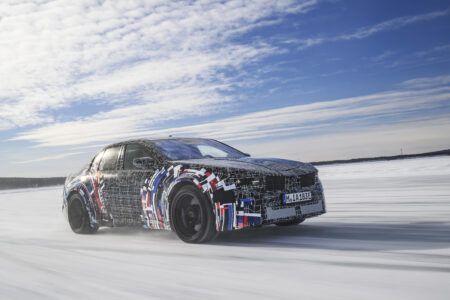
Chery has emphasized cold-weather performance as a key differentiating factor for the technology. The company states the batteries will maintain reliable operation at minus 30 degrees Celsius, addressing a common limitation of conventional lithium-ion battery systems in extreme cold conditions.
The Liefeng will incorporate an 800-volt electrical architecture paired with a 30,000 rpm electric motor. Chery projects the vehicle will accelerate from zero to 100 kilometers per hour in under three seconds, with a maximum speed of 260 kilometers per hour.
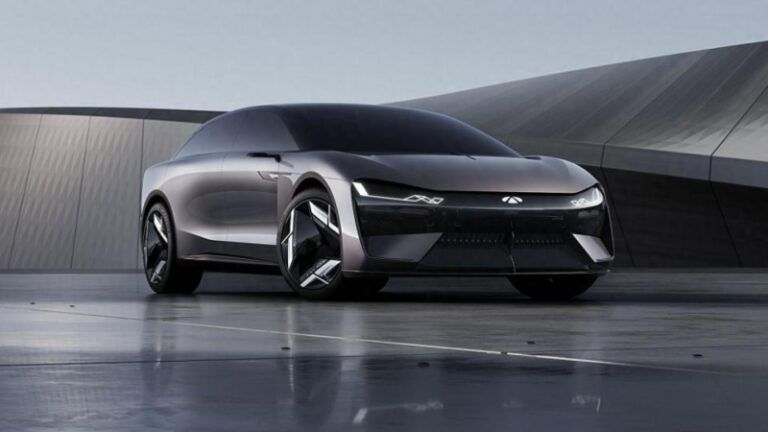
In December 2025, Chery indicated that its Exeed ES8 shooting brake would be the first model equipped with solid-state battery technology, offering a 1,000-kilometer range. Visual similarities between the ES8 and Liefeng suggest the models share design elements, particularly in headlight configuration.
The company has outlined a staged implementation strategy for solid-state battery deployment. Initial 2026 production units will operate in ride-hailing and rental fleet applications to collect performance data under real-world conditions. Chery projects large-scale manufacturing to commence in 2027.
The announcement comes amid ongoing debate within China’s automotive sector regarding solid-state battery readiness. At the 2025 World Power Battery Conference in Sichuan, experts from leading Chinese battery manufacturers and automotive companies expressed caution, indicating the technology may not be prepared for widespread commercialization in the near term.
Industry observers consider 2026 through 2027 a critical evaluation period for determining whether solid-state batteries can transition successfully from development to commercial vehicle integration.