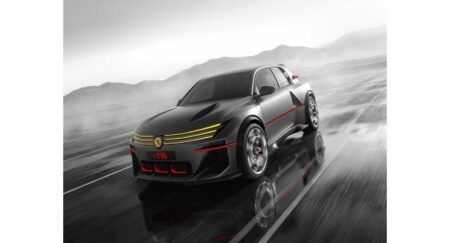


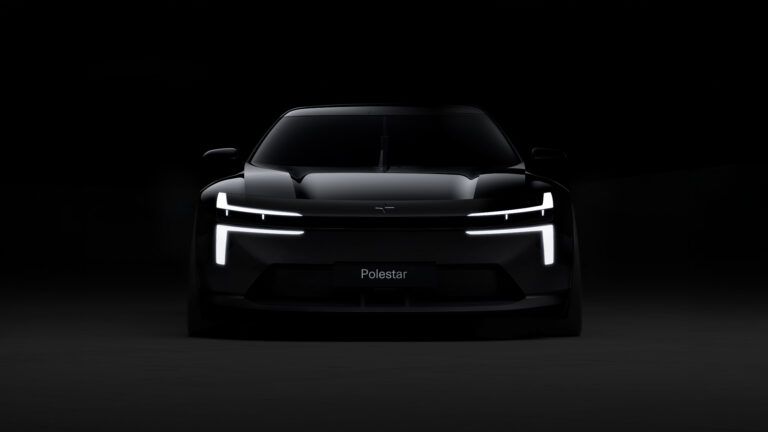
Polestar has confirmed its Formula 2030 concept car, previewing design cues for the next-generation Polestar 2 (2027) and Polestar 7 (2028). Led by head of design Philipp Römers, it debuts privately to investors and retailers in Gothenburg before a public reveal later this year alongside the Polestar 4 SUV launch.
Polestar has confirmed the Formula 2030 concept car, a showcase for the design direction that will carry through to the next-generation Polestar 2 and the upcoming Polestar 7.
The Swedish electric performance car brand, headquartered in Gothenburg, Sweden, says the concept forms part of a wider 2030 strategy aimed at supporting business growth and a drive toward profitability.
The design, led by Philipp Römers, head of design at Polestar, builds on the brand’s existing Scandinavian design language while introducing new exterior and interior treatments, materials and sustainability approaches. Design attributes shown on the concept are expected to appear on the next-generation Polestar 2, due to launch in 2027, and the Polestar 7, a compact SUV planned for 2028.
“Polestar’s design and brand is already so strong, it was obvious we needed a bold evolution not revolution of what came before,” Römers says. “Formula 2030 delivers this, showcasing our future while respecting brand-defining elements like the familiar Dual Blade headlights ensuring it remains recognisably a Polestar with a strong, characterful identity.”
According to Polestar, the concept will first be shown privately to investors, retailers and a select group of customers at a Formula 2030 strategy event at The Cube, the company’s Gothenburg headquarters. A global public debut is planned for later this year, timed to coincide with the media launch of the Polestar 4 SUV.
Polestar (Nasdaq: PSNY) currently sells five models — the Polestar 2, Polestar 3, Polestar 4 coupé, Polestar 4 SUV and Polestar 5 — across 31 markets in North America, Europe and Asia Pacific. Its vehicles are manufactured in North America and Asia; the company plans to add production capacity in Europe, with the Polestar 7 set to be built there.
Polestar has set a target to halve greenhouse gas emissions per vehicle sold by 2030 and to become climate-neutral across its value chain by 2040, covering climate, transparency, circularity and inclusion.