

The new BMW i3, the second Neue Klasse model, incorporates approximately 30% secondary materials overall. Gen6 battery cells deliver a 33% CO2e reduction per watt-hour versus the previous generation. The front bumper contains 30% recycled plastic, and aluminum components use up to 80% secondary content. Production begins in Munich in 2026.
Munich-based BMW Group says the new BMW i3 — the second model on its Neue Klasse electric platform — will comprise approximately 30% secondary materials overall, with circularity-oriented design applied across interior and exterior components.
Production of the i3 is set to begin at BMW Group Plant Munich in 2026, with the facility transitioning to an exclusively battery electric vehicle (BEV) portfolio for the Neue Klasse from 2027 onward. The plant sources 100% of its externally procured electricity from renewable energy and has undergone a four-year modernization program including a new body shop, vehicle assembly hall, and logistics areas.
The i3 uses Gen6 battery cells in its high-voltage battery pack. According to BMW, CO2e emissions per watt-hour have been reduced by approximately 33% compared with the Gen5 cells used in its predecessor. Secondary materials are partially used for cobalt, lithium, and nickel in the Gen6 cells, and energy from renewable sources is employed during anode and cathode material manufacturing as well as cell production.
Across the broader supply chain, BMW says targeted decarbonization measures during product development of the i3 lowered CO2e emissions by roughly one third, compared with industry averages drawn from an internationally recognized life cycle assessment (LCA) database. The automaker notes these figures are preliminary forecasts subject to change ahead of start of production (SOP).
Depending on drivetrain variant, annual mileage, and charging electricity source, the BMW i3 50xDrive achieves a CO2e lifecycle advantage over a comparable internal combustion engine (ICE) vehicle after one to two years of customer use.
BMW has expanded its “Design for Circularity” approach on the i3, guided by three principles: secondary first, material selection, and optimized dismantling.
The front bumper trim contains 30% recycled plastic. The number of different materials in the complete bumper assembly — excluding mounted parts — has been cut from 15 to seven versus the seventh-generation 3 Series, raising the proportion of recyclable plastic from approximately 46% to around 85%.
Econeer seat covers, available in the Essential equipment line, use a recyclable textile composite with an upper fabric derived from 100% recycled PET. BMW says dismantling capability has been improved to enable material-specific separation at end of life.
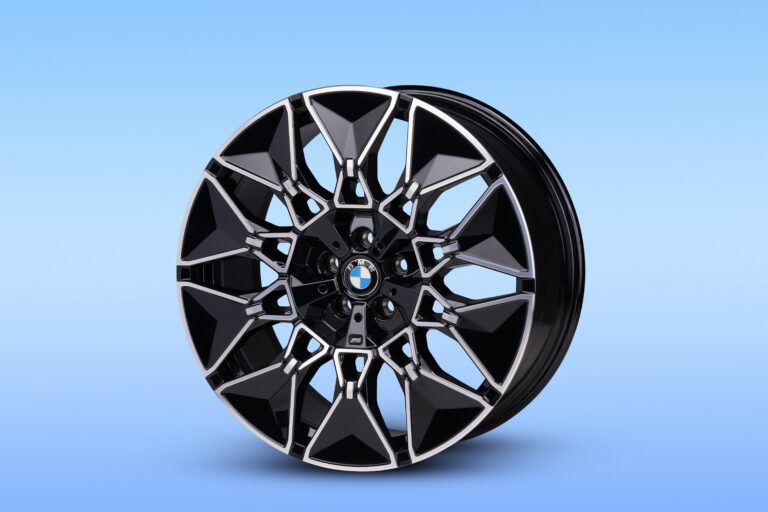
Aluminum die-cast components including front and rear knuckles incorporate 80% secondary raw material content, while cast aluminum wheels contain 70% secondary aluminum. The rear electric motor housing, produced at BMW Plant Landshut, uses up to two-thirds secondary aluminum.
The engine compartment cover and storage compartment beneath the hood use a starting material comprising 30% recycled maritime plastic — post-consumer material sourced from used fishing nets and ropes. Headliner, A-pillar, and parcel shelf textiles are made from yarn with a base material consisting entirely of recycled content.
BMW publishes its Product Carbon Footprint data, validated by TÜV (German Technical Inspection Association), in a Vehicle Footprint report accessible online and through the My BMW app.