

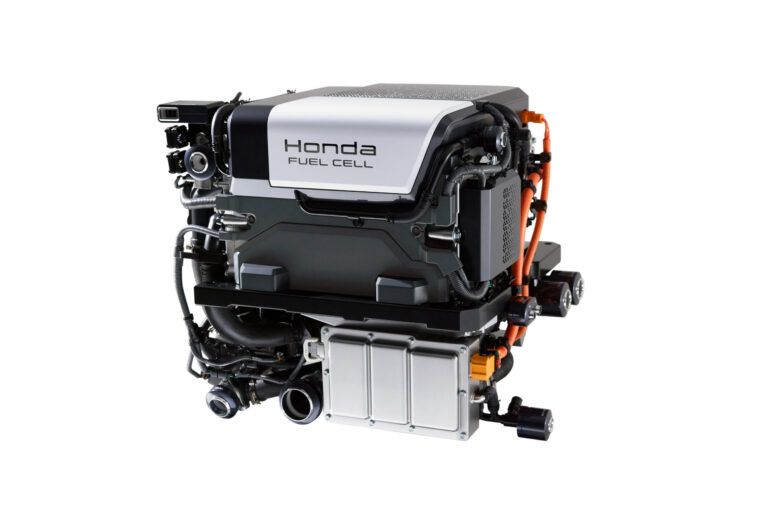
Honda will discontinue fuel cell system production at its General Motors joint venture in Michigan before 2026, transitioning to independently developed next-generation technology. The 2017 joint venture produced advanced fuel cell systems supporting Honda’s hydrogen business expansion.
Honda Motor Co. has announced it will discontinue production of its current fuel cell system at a joint venture facility with General Motors before the end of 2026. Following the shutdown, Honda plans to transition to a next-generation fuel cell system that the company is developing independently.
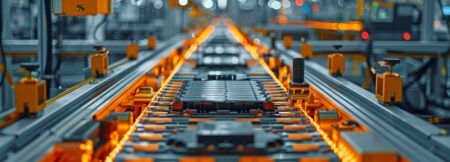
The affected facility, Fuel Cell System Manufacturing LLC, was established in January 2017 in Brownstown, Michigan, marking the automotive industry’s first joint venture dedicated to producing advanced fuel cell systems. The collaboration combined Honda and GM’s expertise in development, production, and procurement to create fuel cell systems with enhanced durability and low-temperature performance while introducing advanced manufacturing technologies and reducing costs through shared component suppliers.
Both companies conducted extensive discussions about the joint venture’s future operations and mutually agreed to cease fuel cell system production at the facility. The decision follows what Honda characterized as positive results from the collaboration, though specific production volumes or sales figures were not disclosed.
Honda indicated it will continue developing its hydrogen business as a core component of its future operations, utilizing proprietary next-generation fuel cell technologies. The company stated it aims to expand business opportunities in the hydrogen sector as part of its broader strategic direction.
The automaker has been researching hydrogen and fuel cell technologies for more than three decades, positioning hydrogen alongside electricity as a primary energy carrier for future mobility solutions. Honda’s hydrogen initiatives form part of its comprehensive environmental strategy targeting carbon neutrality across all products and corporate activities by 2050.
The company’s environmental framework encompasses three focus areas: carbon neutrality, clean energy, and resource circulation. Honda has stated its goal extends beyond product-level emissions to achieving zero environmental impact throughout the entire product lifecycle, including manufacturing and corporate operations.
The discontinuation of the FCSM joint venture represents a shift in Honda’s approach to fuel cell development, moving from collaborative production with GM to an independent development path. The company did not provide details about the timeline for introducing its next-generation fuel cell system or specify which vehicle models might incorporate the new technology.