

Instron has developed a comprehensive approach to electromechanical material testing for automotive applications
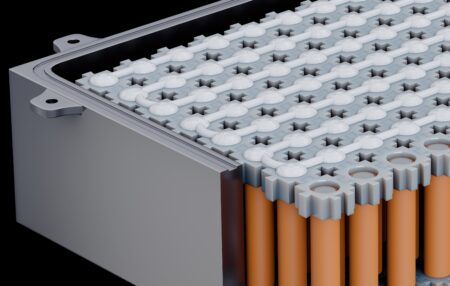
Automotive electrification goes far beyond the simple integration of batteries. It involves the transformation of a number of vehicle components, from thermal management systems to charging components, power electronics, and human-machine interfaces. In this context of accelerated innovation, material testing plays a crucial role in ensuring the reliability, safety, and durability of newly developed solutions. Electromechanical testing solutions from Instron support researchers, engineers, manufacturers and suppliers in facing these new technological challenges.
The shift toward electric vehicles requires a comprehensive approach to material testing, far beyond just the batteries and materials used in their fabrication. Testing thermal management systems, charging components, power electronics, and user interfaces requires specialized technical expertise to meet performance and reliability requirements.
Thermal management: a critical challenge
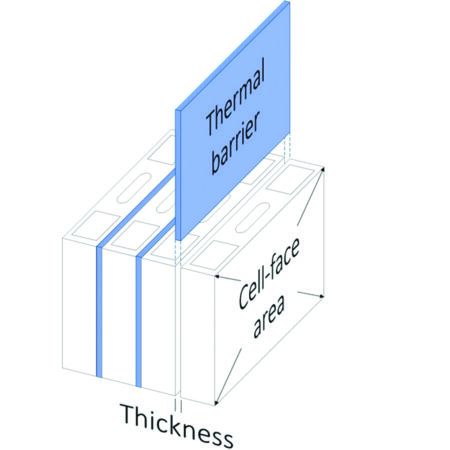
Thermal management is one of the major challenges with electric vehicles. Batteries, motors and power electronics generate considerable heat that must be managed efficiently. Instron’s systems evaluate the behavior of materials and components of these systems under load constraints, before and after prolonged exposure to heat transfer fluids. The company’s environmental chambers simulate conditions ranging from -40°C to +180°C, with thermal gradients up to 20°C/min. The analysis of materials, components and thermal interfaces under load constraints helps anticipate long-term performance degradation issues.
Charging components: reliability and safety
The charging infrastructure is a vital element within the electric vehicle ecosystem. Examples of longevity testing include performing up to over 10,000 insertion/extraction cycles on connectors and sockets, simulating several years of intensive use. Instron’s testing systems measure the resistance of cables, terminals, and components that undergo tension, torsion, and bending forces as they would during their useful life. Accelerated aging analysis helps anticipate material and assembly degradation under real usage conditions.
Power electronics: performance and longevity
Power electronics represent the heart of electric propulsion systems. Instron’s equipment characterizes next-generation semiconductor materials, printed circuit boards, and their components. The reliability of power electronics parts and assemblies is tested through mechanical tests combining tension, compression, bending and shear forces in controlled environmental conditions. Test data analysis helps to identify design flaws and to optimize manufacturing methods.
Integrated testing approach
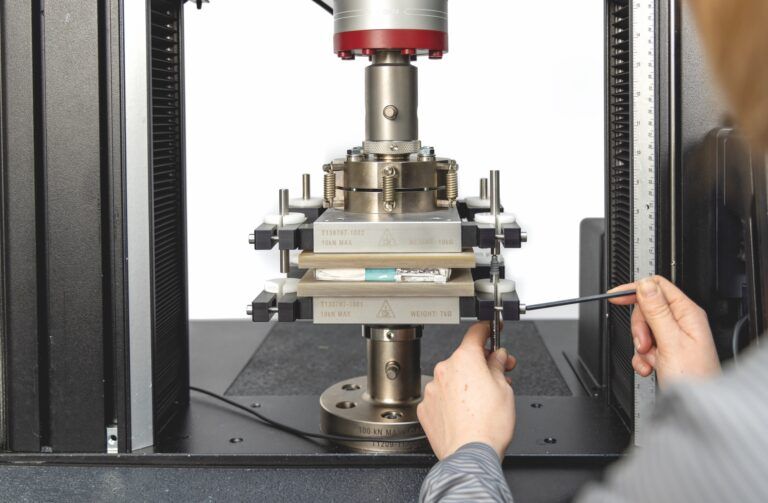
Instron collaborates with key automotive suppliers and manufacturers to solve critical testing issues in vehicle electrification and battery development. Instron’s approach to material testing for automotive electrification has always been based on a systemic vision. The company’s tests evaluate assemblies and materials by combining mechanical and thermal stresses, measuring induced forces, monitoring electrical properties, and assessing functional behavior. Instron’s high-accuracy and reliability test frames, alongside the use of connected sensors and data analysis tools, help customers optimize their testing campaigns and extract rich and insightful data to support their continuous product improvement.
The electric vehicle transition presents major technological challenges that require in-depth expertise in material testing. Instron’s solutions support industry players in this transition, from characterizing new materials to developing innovative testing methods. This expertise aids in developing high-performance, reliable, and durable electrification solutions for future mobility.